The historical journey of gambling From ancient rituals to modern casinos
The historical journey of gambling From ancient rituals to modern casinos
Origins of Gambling in Ancient Civilizations
The practice of gambling can be traced back thousands of years to ancient civilizations such as Mesopotamia, China, and Egypt. In these societies, games of chance were often tied to religious and cultural rituals. For instance, the ancient Chinese used dice as early as 2000 BC, while Babylonian tablets dating back to 3000 BC reveal games that involved betting on outcomes. These early forms of gambling were not merely for entertainment; they played a significant role in social gatherings and decision-making processes. Additionally, players interested in exploring top online casinos today can find numerous options that reflect this rich history.
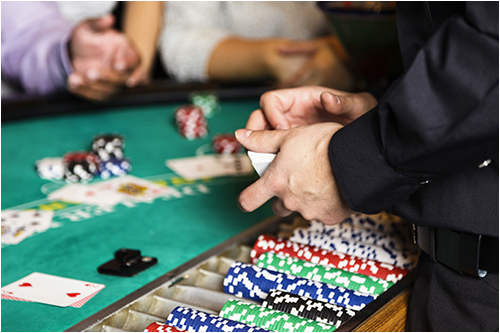
In addition to dice, ancient cultures also employed rudimentary gambling systems involving various betting methods, often linked to agricultural cycles or significant events. For example, Egyptians utilized a form of gambling with knuckle bones, reflecting a blend of game and divination. This intertwining of fate and chance laid the groundwork for more structured gambling practices in later periods.
The Evolution During the Middle Ages
As societies evolved, so did gambling. By the Middle Ages, gambling had spread throughout Europe, primarily through the expansion of trade and cultural exchange. Games like backgammon and card games gained popularity, and gambling houses began to emerge in cities across the continent. These venues became social hubs, where people from different walks of life gathered to enjoy games of chance and wager on outcomes.
However, this newfound popularity also drew the attention of authorities. Many governments viewed gambling as a vice and attempted to regulate or ban it outright. Despite these restrictions, gambling persisted, adapting to the changing legal landscape. The emergence of lotteries during this period offered a legal avenue for gambling, often used as a means to fund public projects and institutions.
The Birth of Modern Gambling in the 19th Century
The 19th century marked a significant turning point in the history of gambling, particularly with the establishment of formal casinos. The first recognized casino, the Casino di Venezia, opened its doors in Italy in 1638, but it was during the 1800s that gambling houses became more widespread. The rise of Las Vegas as a gambling capital later in the century also contributed to this trend, turning gambling into a legitimate industry.
This era witnessed the creation of iconic games such as poker and the establishment of betting on horse racing, which became immensely popular. The introduction of games of skill, alongside games of chance, allowed players to engage in gambling in various ways, increasing the appeal and accessibility of gambling establishments to a broader audience.
The Technological Revolution and Online Gambling
The late 20th century saw an unprecedented transformation in gambling, largely driven by technological advancements. The introduction of the internet in the 1990s opened new avenues for gambling, leading to the birth of online casinos. These platforms revolutionized the industry, allowing players to gamble from the comfort of their homes and providing a vast array of games at their fingertips.
This technological shift has also led to the rise of mobile gambling, enabling players to engage in betting anytime, anywhere. Regulatory frameworks began to emerge to address the unique challenges posed by online gambling, ensuring player safety and fairness. The combination of technology and convenience has made online gambling a staple of the modern entertainment landscape.

Exploring the Modern Gambling Landscape
Today’s gambling environment is characterized by a mix of traditional and innovative gaming experiences. From the opulence of land-based casinos to the immersive offerings of online platforms, players now have access to an expansive range of options. This landscape is continually evolving, with trends such as live dealer games and virtual reality gambling gaining traction.
As gambling continues to integrate into everyday entertainment, responsible gaming practices are becoming increasingly important. Websites dedicated to providing information and resources on safe gambling practices have emerged, offering players guidance and support to ensure a balanced gaming experience. The future of gambling holds exciting possibilities, as technological innovations will likely continue to reshape the industry.